
Transforming Spaces, One Breath at a Time
Our real-time air quality monitors, EC fans, and electronic filtration systems work together to deliver the purest air possible
Our real-time air quality monitors, EC fans, and electronic filtration systems work together to deliver the purest air possible


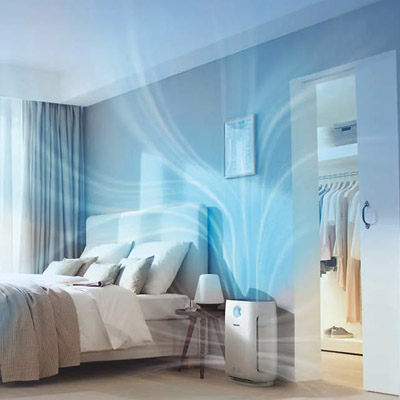
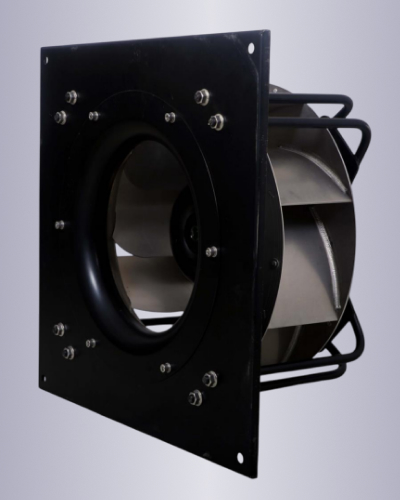
Our real-time air quality monitors, EC fans, and electronic filtration systems work together to deliver the purest air possible

Our WELL-compliant monitors deliver highly accurate sensor readings, feature Wi-Fi connectivity, and boast a sleek glass finish that complements any interior
Our best in class high efficiency, high performance EC fans are ideal for purified air ventilation

Our WELL Compliant sensors are best in class and provide the needed accuracy to get any project certified

Market Leading efficiency with minimal heat emissions and perform well even at partial loads

Our monitors allow for demand control ventilation making the overall system very energy efficient while maximizing occupant comfort

Our Wi-fi enabled AQI monitors are tightly integrated with our EC fans, providing unparalleled hardware software integration, resulting in best in class performance.
The modern LGBTQ movement owes much of its momentum to transgender women of color. Figures like and Sylvia Rivera were central to the 1969 Stonewall Uprising, a turning point that shifted the movement from quiet assimilation to active liberation. This history highlights that the "T" in LGBTQ has never been an add-on; it was often the vanguard. Transgender people, frequently the most visible targets of policing and social exclusion, provided the grassroots energy that built the community’s early infrastructure. Cultural Contributions
Transgender individuals have profoundly influenced LGBTQ culture, particularly through the lens of . Ballroom culture—a subculture pioneered by Black and Latino trans women—gave birth to much of the slang and performance styles (like "vogueing") that are now mainstream in the broader queer community and pop culture at large. Beyond performance, the trans community has challenged the binary logic of "gay vs. straight," pushing for a more expansive understanding of identity that benefits everyone under the queer umbrella. The Struggle for Integration shemale solo cum shots
The transgender community is both a cornerstone of and a distinct entity within the broader LGBTQ culture. While the acronym suggests a monolithic experience, the relationship between gender identity (who you are) and sexual orientation (who you love) creates a rich, complex intersection that has shaped modern civil rights. Historical Foundations The modern LGBTQ movement owes much of its
Despite these contributions, the relationship hasn't always been seamless. Throughout the late 20th century, trans people often faced "gatekeeping" within the gay and lesbian movement. Early activists sometimes sought to distance themselves from trans individuals to appear more "respectable" to the heterosexual public. Today, while solidarity is at an all-time high, the trans community still faces unique hurdles—such as healthcare access, legal recognition of gender, and disproportionate rates of violence—that differ significantly from the challenges faced by cisgender gay or bisexual people. Modern Intersectionality Transgender people, frequently the most visible targets of
In the 21st century, the focus has shifted toward . The LGBTQ culture of today increasingly recognizes that a trans person’s experience is shaped not just by their gender, but by their race, class, and ability. This has led to a more nuanced culture where "pride" is not just a celebration of who one loves, but a radical assertion of the right to exist authentically in one's body. Conclusion
"Ready to improve your indoor air quality? Get in touch with us today to explore our certified IAQ solutions. Breathe easier, live healthier—contact us now!"
The modern LGBTQ movement owes much of its momentum to transgender women of color. Figures like and Sylvia Rivera were central to the 1969 Stonewall Uprising, a turning point that shifted the movement from quiet assimilation to active liberation. This history highlights that the "T" in LGBTQ has never been an add-on; it was often the vanguard. Transgender people, frequently the most visible targets of policing and social exclusion, provided the grassroots energy that built the community’s early infrastructure. Cultural Contributions
Transgender individuals have profoundly influenced LGBTQ culture, particularly through the lens of . Ballroom culture—a subculture pioneered by Black and Latino trans women—gave birth to much of the slang and performance styles (like "vogueing") that are now mainstream in the broader queer community and pop culture at large. Beyond performance, the trans community has challenged the binary logic of "gay vs. straight," pushing for a more expansive understanding of identity that benefits everyone under the queer umbrella. The Struggle for Integration
The transgender community is both a cornerstone of and a distinct entity within the broader LGBTQ culture. While the acronym suggests a monolithic experience, the relationship between gender identity (who you are) and sexual orientation (who you love) creates a rich, complex intersection that has shaped modern civil rights. Historical Foundations
Despite these contributions, the relationship hasn't always been seamless. Throughout the late 20th century, trans people often faced "gatekeeping" within the gay and lesbian movement. Early activists sometimes sought to distance themselves from trans individuals to appear more "respectable" to the heterosexual public. Today, while solidarity is at an all-time high, the trans community still faces unique hurdles—such as healthcare access, legal recognition of gender, and disproportionate rates of violence—that differ significantly from the challenges faced by cisgender gay or bisexual people. Modern Intersectionality
In the 21st century, the focus has shifted toward . The LGBTQ culture of today increasingly recognizes that a trans person’s experience is shaped not just by their gender, but by their race, class, and ability. This has led to a more nuanced culture where "pride" is not just a celebration of who one loves, but a radical assertion of the right to exist authentically in one's body. Conclusion