




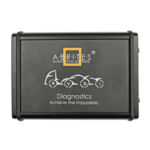
 Abrites AVDI J2534
 Actia Multi-Diag
 Autoland iSCAN
 Bobcat Diagnostic Kit
 BMW ENET
 Bosch Mastertech II J2534
 Bosch MTS 6531
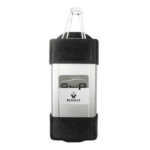 CAN CLIP RLT2002
 CarDAQ-Plus 3
 Cummins INLINE Datalink
 Dearborn Protocol Adapter (DPA) 5
 Delphi/Autocom DS150E
 DrewLinQ
 Volvo VIDA DiCE
 Derelek USB DIAG 3
 Electronic Data Link (EDL) 2
 Electronic Data Link (EDL) 3
 GM MDI 1
 GM MDI 2
 HEX-V2 VCDS VAG-COM
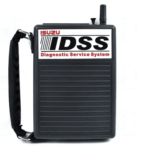 Isuzu IDSS IDS MX1
 Isuzu IDSS IDS MX2
 Iveco Eltrac E.A.SY. ECI
 MaxiFlash Elite J2534
 MB Star C6
 Mongoose J2534
 Nexiq USB-Link 1
 Nexiq USB-Link 2
 Nexiq USB-Link 3
 Noregon DLA+ 2.0
 Porsche PIWIS TESTER 3 (PT3G)
 PSA LEXIA 3
 SAE J2434
 Scania VCI 3
 Scanmatik 2 PRO
 SD Connect Multiplexer
 Tactrix OpenPort 2.0
 Toyota TIS Mini VCI
 VAG ODIS VAS5054 Clone
 VAG ODIS VAS6154 Clone
 Volvo VOCOM 1
 Volvo VOCOM 2
 Xentry VCI
 Yanmar Diagnostic Interface Box (IFBOX)
Public Piss Scenes ★
Public urination, often referred to in the context of "public piss scenes," is a behavior that has been observed and sometimes depicted in various forms of media. This act, while seemingly straightforward, carries with it a complex array of legal, psychological, and social implications. The legality of public urination varies significantly from one jurisdiction to another. In many places, it is considered a form of public indecency or disorderly conduct, making it punishable by law. Fines and, in some cases, imprisonment can be the consequences for individuals caught engaging in such behavior. The rationale behind these laws is to maintain public order and ensure that individuals do not engage in acts that are considered offensive or inappropriate in public spaces. Psychological Factors The reasons behind someone choosing to urinate in public can be multifaceted. Some may do it as a form of rebellion or to provoke a reaction. Others might be driven by urgent medical needs or the lack of accessible restroom facilities. Psychological factors, including a disregard for societal norms or a desire for thrill-seeking behavior, can also play a role. Depictions in Media Public piss scenes have been depicted in various forms of media, including films, television shows, and literature. These depictions can serve a range of purposes, from adding realism to a scene and character development to making a social commentary. However, such scenes can also be controversial, sparking debates about decency, artistic freedom, and the potential for glorification of inappropriate behavior. Social and Cultural Perspectives Culturally, public urination is viewed negatively in most societies, often associated with lack of manners, disregard for the law, or personal hygiene issues. However, there are instances where public urination might be more tolerated or even expected, such as in certain festival settings where facilities are overwhelmed. Health and Hygiene From a health and hygiene perspective, public urination can pose risks. It can lead to the spread of diseases and create unsanitary conditions. Moreover, it can reflect broader issues related to public health, such as the availability of sanitation facilities. Conclusion Public piss scenes, whether they occur in real life or are depicted in media, carry a range of implications. Legally, they can lead to penalties. Psychologically, they can indicate underlying issues or motivations. Culturally and socially, they are generally viewed negatively. As society continues to evolve, understanding the complexities around such behaviors becomes crucial, balancing individual freedoms with the need to maintain public order and hygiene.