nthLink is built on technologies that have defeated even the strictest internet censorship systems. It automatically:
Unlike many VPNs that store often-obsolete address lists in their apps, nthLink’s mobile app can connect to the Internet even when it has been a long time since you have used it.
The nthLink app calculates fresh server addresses based on where you are and the device you are using, enabling you to connect even in locations where many of its addresses are being blocked. It keeps trying until it finds a secure connection for you.
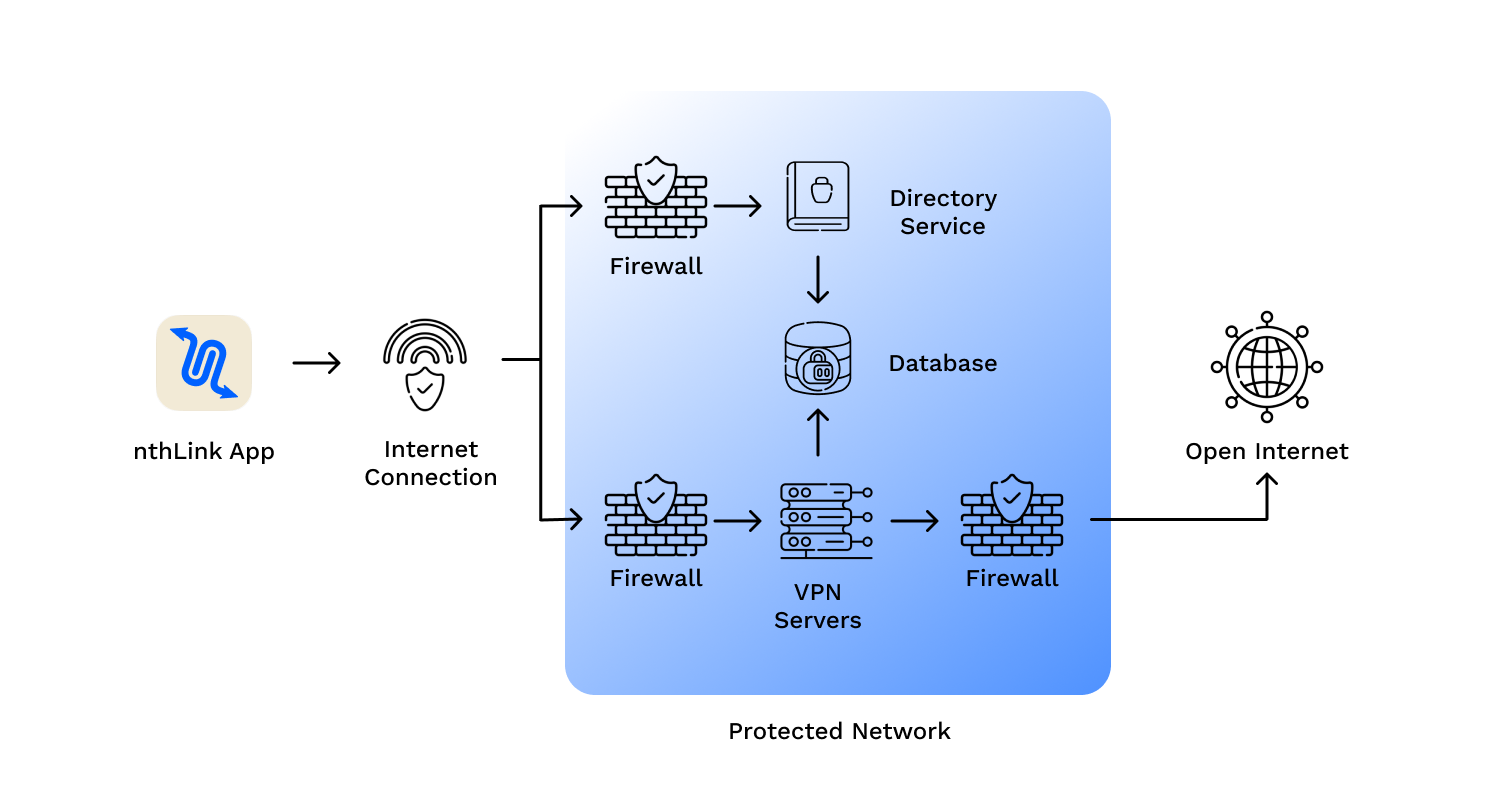
Just install and tap the button and you’re online – inside a reliable and secure network.
We do not track your activities and use best data minimization practices for our server infrastructure.
nthLink uses the strongest available encryption standards so your Internet traffic cannot be inspected.
Extracorporeal Membrane Oxygenation (ECMO) is a form of temporary mechanical circulatory support that acts as an external heart and lung system for patients with life-threatening cardiac or respiratory failure. Unlike standard ventilators or heart-lung bypass machines used in surgery, ECMO is designed for extended use—ranging from days to weeks—to allow the patient's organs time to rest and potentially recover. How ECMO Functions
The ECMO system operates by pumping blood out of the patient's body, processing it through an artificial membrane, and returning it to the circulation. Mechanical Circulatory Support: ECMO
The machine removes carbon dioxide and adds oxygen to the blood. Extracorporeal Membrane Oxygenation (ECMO) is a form of
ECMO is utilized in two primary configurations depending on the patient's specific organ failure. Veno-Venous (VV) ECMO Isolated respiratory failure. Function: Supports lung function only. Common Use: Severe pneumonia, ARDS, or COVID-19. Veno-Arterial (VA) ECMO The machine removes carbon dioxide and adds oxygen
A centrifugal pump provides the force needed to maintain blood flow when the heart is too weak to do so alone.
Blood is accessed through large tubes called cannulas, typically inserted into major veins or arteries. Clinical Applications and Configurations