Insolvency Apr 2026
(Edition 2)
Paul Ammann and Jeff Offutt
| Notes & materials | Last update | |||||
|---|---|---|---|---|---|---|
| Table of Contents | August 2016 | |||||
| Preface, with chapter mappings | September 2016 | |||||
| Power Point Slides | September 2022 | |||||
| Student Solution Manual | December 2018 | |||||
|
Contact authors for instructor solutions Send email to Jeff and Paul from your university email address, and include documentation that you are an instructor using the book (a class website, faculty list, etc.). |
December 2018 | |||||
| In-Class Exercises | March 2017 | |||||
| Complete Programs From Text | March 2019 | |||||
| Errata List | June 2010 | |||||
| Support software | ||||||
| February 2017 | |||||
| Author’s course websites | Last taught | |||||
| SWE 437 (Ammann) | Fall 2018 | |||||
| SWE 637 (Ammann) | Spring 2019 | |||||
| SWE 737 (Ammann) | Spring 2018 | |||||
| SWE 437 (Offutt) | Spring 2019 | |||||
| SWE 637 (Offutt) | Fall 2018 | |||||
| SWE 737 (Offutt) | Spring 2017 |
Insolvency Apr 2026
: Insolvency is a financial condition (the "state of being"), whereas bankruptcy is the formal legal process or court order triggered by that state.
: In the U.S., the Internal Revenue Service (IRS) generally only recognizes balance-sheet insolvency for tax purposes, such as excluding canceled debt from taxable income. insolvency
Insolvency is a financial state where an entity—whether an individual or a business—cannot meet its debt obligations as they fall due. It is characterized by two primary forms: , where there isn't enough liquid cash to pay current bills, and balance-sheet insolvency , where total liabilities exceed total assets. Core Features of Insolvency Dual Definitions : : Insolvency is a financial condition (the "state
: A lack of liquidity to pay debts on time, even if total assets are valuable (e.g., owning a house but having no cash). It is characterized by two primary forms: ,

|
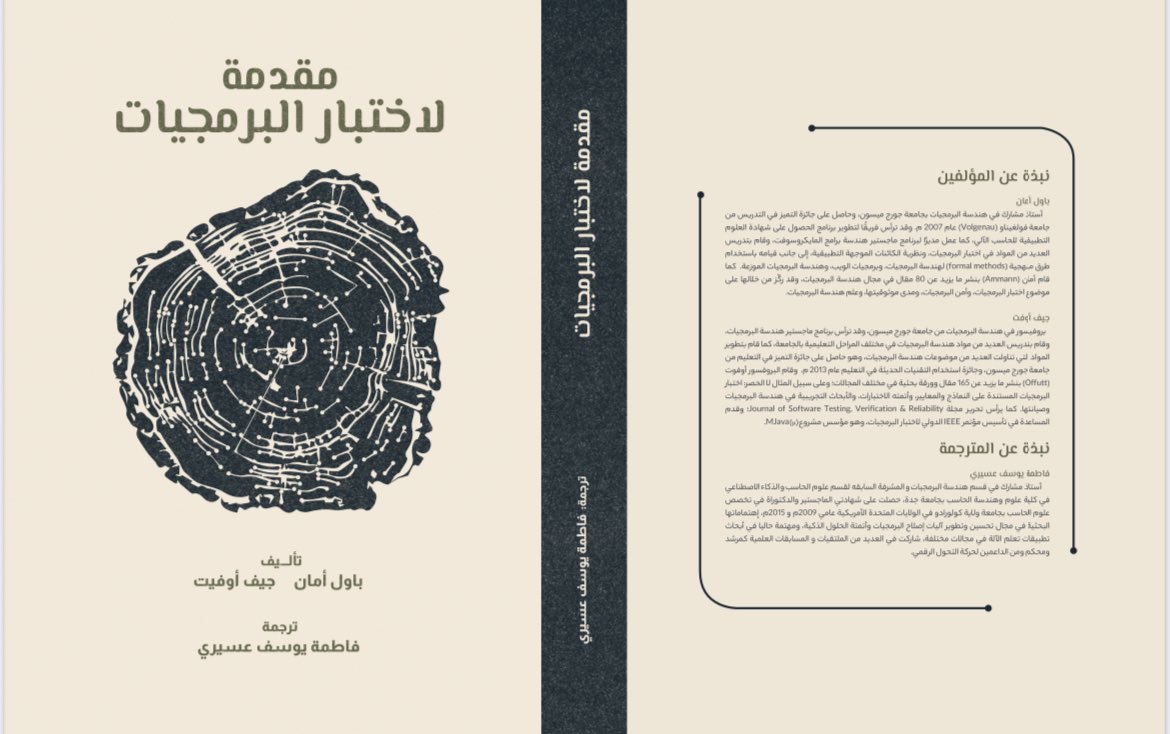
| Cover art by Peter Hoey |
|
| Translation by Fatmah Assiri |
| Arabic page |