



Clinical Handbook of Obsessive-Compulsive and R...

Clinical Handbook Of Obsessive-compulsive And R... Here


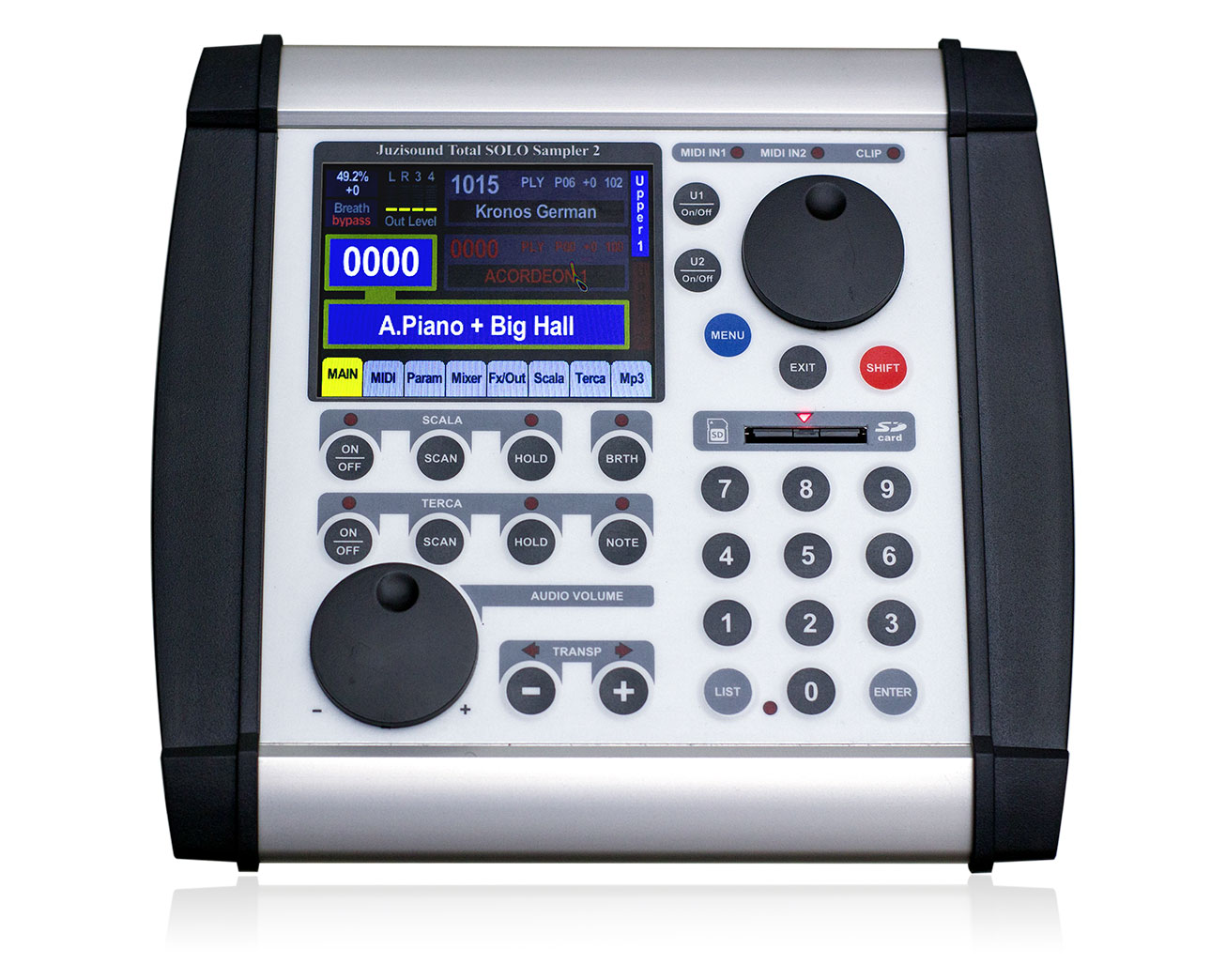
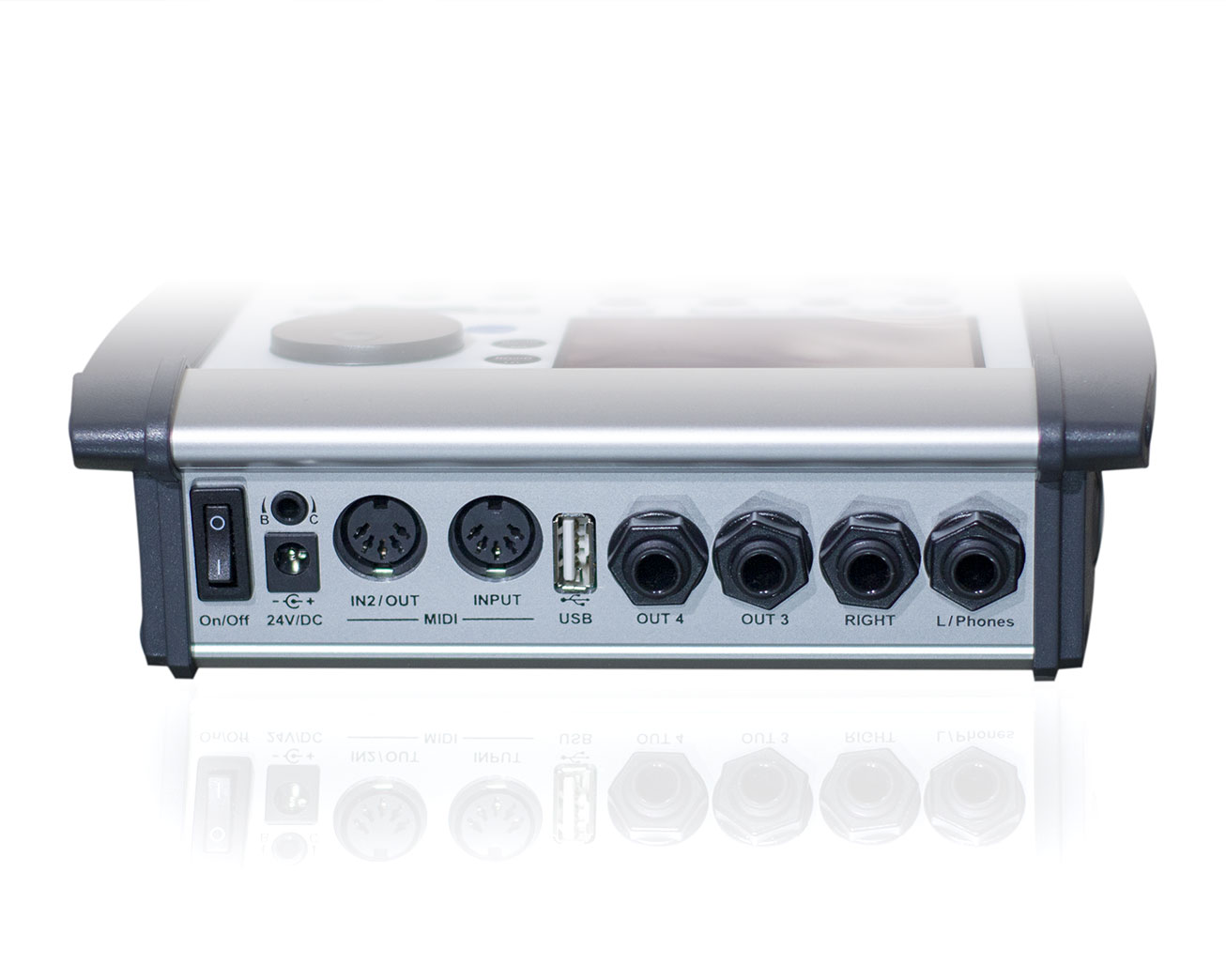
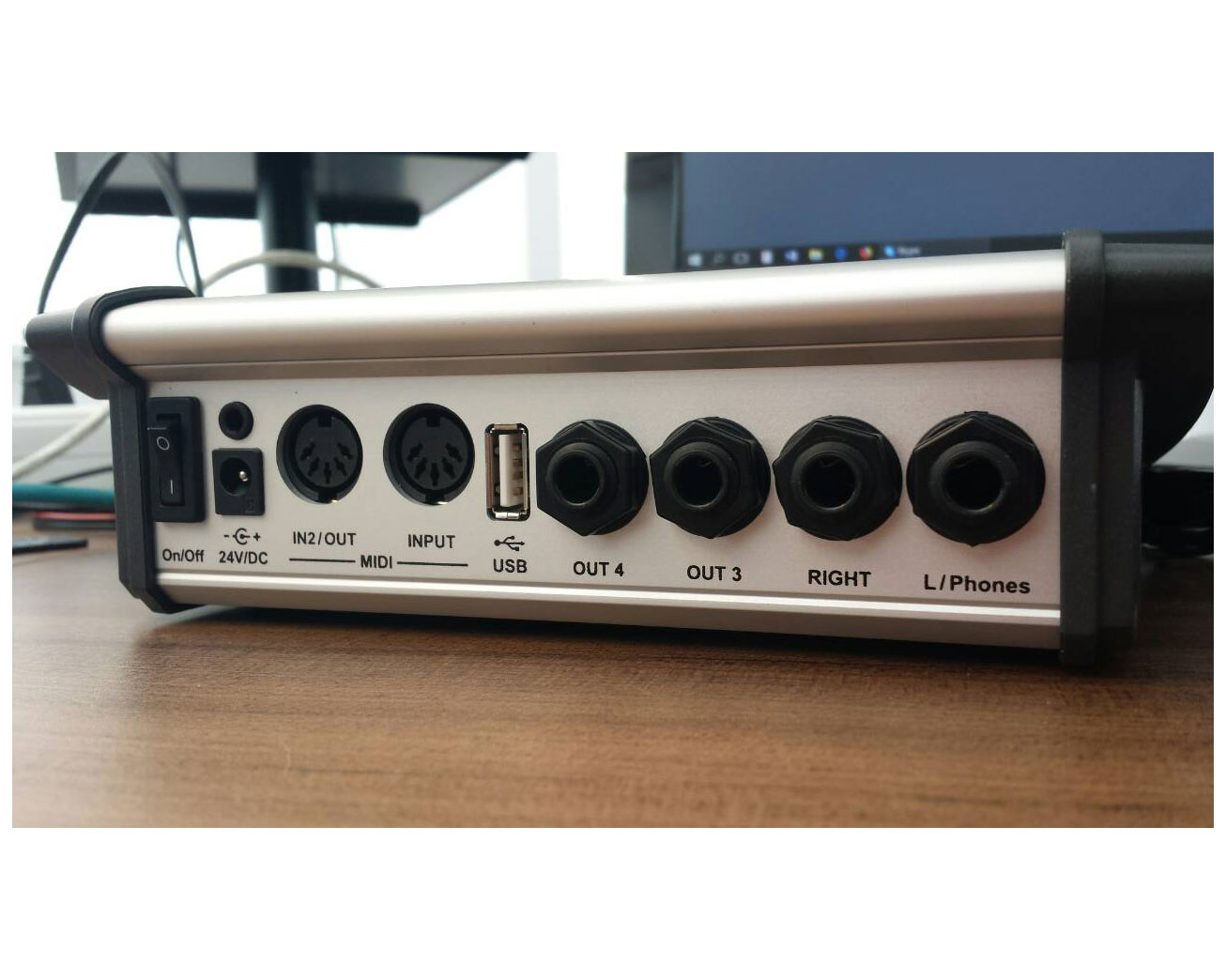
New generation of sampler device, again specialized for playing ethno solo sounds. This new device is specially created for use in Eastern European and Balkan regions. Also it is very useful for musicians from Turkey, Greece, Arabs and the Middle East. If you play that kind of music, this device is really the right one for you!


- - -

With 256GB SD Card
(include 20% VAT)
(Not include shipping)

Clinical Handbook Of Obsessive-compulsive And R... Here

Ultimately, the Clinical Handbook of Obsessive-Compulsive and Related Disorders stands as a testament to the progress of psychological science. It moves away from the "one-size-fits-all" mentality, offering a nuanced, evidence-based guide that respects the complexity of the human mind. For the clinician, it is a vital resource; for the field, it is a foundational text that continues to shape how we understand the persistent, intrusive, and often invisible struggles of the obsessive-compulsive spectrum.

The Clinical Handbook of Obsessive-Compulsive and Related Disorders , edited by Abramowitz, Storch, and McKay, serves as more than just a medical manual; it is a roadmap for the evolving landscape of one of psychology’s most misunderstood domains. By shifting the focus from a singular diagnosis of OCD to a broader spectrum of "related disorders"—including body dysmorphic disorder, hoarding, and trichotillomania—the text fundamentally redefines the boundaries of psychiatric classification and treatment. Clinical Handbook of Obsessive-Compulsive and R...

Furthermore, the handbook addresses the "hidden" challenges of treatment, such as family accommodation—where loved ones inadvertently fuel the disorder by participating in rituals. By including these systemic factors, the editors acknowledge that OCD does not exist in a vacuum. It is a social and familial parasite. This holistic view shifts the burden of recovery from the individual to a collaborative network, emphasizing that environmental changes are often just as vital as internal cognitive shifts. By including these systemic factors, the editors acknowledge

Historically, OCD was often viewed as a lonely outpost of anxiety. However, this handbook highlights a modern shift toward a "spectrum" model. This approach recognizes that while the symptoms differ—one person might wash their hands while another pulls out their hair—the underlying neurobiological machinery and the patterns of behavioral avoidance are remarkably similar. By grouping these conditions, the handbook advocates for a "transdiagnostic" perspective. This allows clinicians to use shared strategies, such as Exposure and Response Prevention (ERP), across a variety of seemingly different disorders, providing a more versatile toolkit for therapy. it explores why it works

One of the most compelling aspects of the handbook is its commitment to the "scientist-practitioner" model. It bridges the gap between sterile laboratory findings and the messy reality of the therapy room. The text delves into the intricacies of cognitive-behavioral therapy (CBT) while also acknowledging the limitations of current treatments. It doesn't just present what works; it explores why it works, examining the cognitive biases and inhibitory learning processes that keep patients trapped in loops of ritualization.

This is for informational purposes only. For medical advice or diagnosis, consult a professional. AI responses may include mistakes. Learn more


Need only 256 GB SD Card? Press THERE!


Ultimately, the Clinical Handbook of Obsessive-Compulsive and Related Disorders stands as a testament to the progress of psychological science. It moves away from the "one-size-fits-all" mentality, offering a nuanced, evidence-based guide that respects the complexity of the human mind. For the clinician, it is a vital resource; for the field, it is a foundational text that continues to shape how we understand the persistent, intrusive, and often invisible struggles of the obsessive-compulsive spectrum.

The Clinical Handbook of Obsessive-Compulsive and Related Disorders , edited by Abramowitz, Storch, and McKay, serves as more than just a medical manual; it is a roadmap for the evolving landscape of one of psychology’s most misunderstood domains. By shifting the focus from a singular diagnosis of OCD to a broader spectrum of "related disorders"—including body dysmorphic disorder, hoarding, and trichotillomania—the text fundamentally redefines the boundaries of psychiatric classification and treatment.

Furthermore, the handbook addresses the "hidden" challenges of treatment, such as family accommodation—where loved ones inadvertently fuel the disorder by participating in rituals. By including these systemic factors, the editors acknowledge that OCD does not exist in a vacuum. It is a social and familial parasite. This holistic view shifts the burden of recovery from the individual to a collaborative network, emphasizing that environmental changes are often just as vital as internal cognitive shifts.

Historically, OCD was often viewed as a lonely outpost of anxiety. However, this handbook highlights a modern shift toward a "spectrum" model. This approach recognizes that while the symptoms differ—one person might wash their hands while another pulls out their hair—the underlying neurobiological machinery and the patterns of behavioral avoidance are remarkably similar. By grouping these conditions, the handbook advocates for a "transdiagnostic" perspective. This allows clinicians to use shared strategies, such as Exposure and Response Prevention (ERP), across a variety of seemingly different disorders, providing a more versatile toolkit for therapy.

One of the most compelling aspects of the handbook is its commitment to the "scientist-practitioner" model. It bridges the gap between sterile laboratory findings and the messy reality of the therapy room. The text delves into the intricacies of cognitive-behavioral therapy (CBT) while also acknowledging the limitations of current treatments. It doesn't just present what works; it explores why it works, examining the cognitive biases and inhibitory learning processes that keep patients trapped in loops of ritualization.

This is for informational purposes only. For medical advice or diagnosis, consult a professional. AI responses may include mistakes. Learn more