SuperSU download is the best Superuser access management tool that developed for Android devices. Clearly, Superuser access is similar to the Administrator privilege on Windows computer. The users are allowed do almost anything on their Android smartphone or tablet under the root status
Download SuperSUA carte de bucate is ultimately a book of hope. It assumes that there will be a future generation to feed and a meal worth sharing. It is a reminder that while empires rise and fall, the fundamental human need for nourishment, flavor, and community remains unchanged. It is not just a guide on how to cook; it is a guide on how to belong.
The language within these books reflects the geography and history of the region. In a Romanian cookbook, you see the linguistic fingerprints of history: sarmale (via the Ottoman Empire), șnițel (from the Austro-Hungarians), and borș (from Slavic influences). To read a cookbook is to map the migrations, occupations, and alliances of the past. The recipes serve as a "soft power" that preserves national identity even when borders change; the smell of browning onions and paprika remains a constant. The Ritual of Continuity Carte de bucate
The phrase Carte de bucate —Romanian for "cookbook"—suggests much more than a mere list of instructions for the kitchen. It represents a vessel of cultural memory, a bridge between generations, and a testament to the sensory history of a people. The Living Archive A carte de bucate is ultimately a book of hope
At its core, a cookbook is a functional archive. In a Romanian household, a carte de bucate (like the seminal works of Sanda Marin or Radu Anton Roman) is often the most worn-out book on the shelf. Its pages are typically stained with oil, dusted with flour, and filled with handwritten notes in the margins—adjustments to sugar levels or reminders of a grandmother’s secret ingredient. These physical imperfections transform the book from a mass-produced object into a unique family relic. It records not just what people ate, but how they lived. Language and Tradition It is not just a guide on how
Beyond history, the carte de bucate facilitates a ritual of continuity. In the modern, digital age, where recipes are often fleetingly swiped on a screen, the physical cookbook demands a slower pace. It encourages the "alchemy" of the kitchen—turning raw, humble ingredients like cornmeal into mămăligă or walnuts into cozonac . By following these written steps, the cook enters into a silent dialogue with the ancestors who perfected the proportions. Conclusion
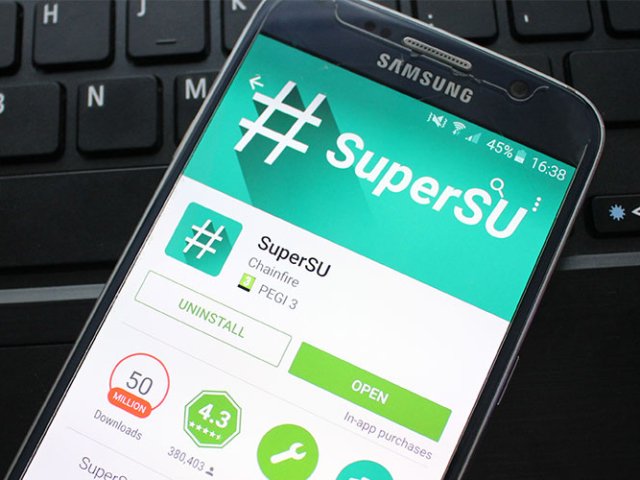
The official SuperSU Root only application can be installed via the following direct download links. Click on the respective link to get amazing features of SuperSU APK download on your Android mobile instantly.
A carte de bucate is ultimately a book of hope. It assumes that there will be a future generation to feed and a meal worth sharing. It is a reminder that while empires rise and fall, the fundamental human need for nourishment, flavor, and community remains unchanged. It is not just a guide on how to cook; it is a guide on how to belong.
The language within these books reflects the geography and history of the region. In a Romanian cookbook, you see the linguistic fingerprints of history: sarmale (via the Ottoman Empire), șnițel (from the Austro-Hungarians), and borș (from Slavic influences). To read a cookbook is to map the migrations, occupations, and alliances of the past. The recipes serve as a "soft power" that preserves national identity even when borders change; the smell of browning onions and paprika remains a constant. The Ritual of Continuity
The phrase Carte de bucate —Romanian for "cookbook"—suggests much more than a mere list of instructions for the kitchen. It represents a vessel of cultural memory, a bridge between generations, and a testament to the sensory history of a people. The Living Archive
At its core, a cookbook is a functional archive. In a Romanian household, a carte de bucate (like the seminal works of Sanda Marin or Radu Anton Roman) is often the most worn-out book on the shelf. Its pages are typically stained with oil, dusted with flour, and filled with handwritten notes in the margins—adjustments to sugar levels or reminders of a grandmother’s secret ingredient. These physical imperfections transform the book from a mass-produced object into a unique family relic. It records not just what people ate, but how they lived. Language and Tradition
Beyond history, the carte de bucate facilitates a ritual of continuity. In the modern, digital age, where recipes are often fleetingly swiped on a screen, the physical cookbook demands a slower pace. It encourages the "alchemy" of the kitchen—turning raw, humble ingredients like cornmeal into mămăligă or walnuts into cozonac . By following these written steps, the cook enters into a silent dialogue with the ancestors who perfected the proportions. Conclusion